
When I first started saving, I wrote down a single number: $10,000 for an emergency fund. I put that on a whiteboard in the kitchen and checked it off every time I deposited a paycheck. Seeing the figure grow turned the abstract idea of “savings” into something tangible. If you’re unsure what to aim for, a common benchmark is three to six months’ worth of living expenses.
Automate the Process
My bank lets me schedule a direct debit that moves 15% of my net pay into a high‑yield savings account on the 2nd of every month. I’ve never had to think about it again. The only time I tweak the amount is when I get a bonus or a tax refund; I add an extra 5% that month and let the rest roll over. Automation eliminates the temptation to spend what you’re supposed to save.
Choose the Right Interest Rate
I compared three options last year: a traditional savings account at 0.5% APR, a money‑market fund at 2.1% APR, and a short‑term CD at 2.8% APR. The money‑market fund was the sweet spot because it offered the higher rate and still allowed me to withdraw monthly without penalty. If you need liquidity, skip the CD; if you can lock away a few months, the CD saves you a few extra dollars a year.
Cut Unnecessary Expenses
My biggest leak was a $60/month streaming bundle I never used. Switching to a single platform cut that cost and freed up $720 annually. I also started cooking at home twice a week instead of ordering takeout, which saved about $30 each month. Small, consistent reductions add up to a significant boost in your savings rate.
Invest When You’re Ready
Once the emergency fund hit $10,000, I opened a Roth IRA and started contributing the maximum of $6,500 per year. The tax‑advantaged growth means I don’t pay taxes on the gains, and withdrawals in retirement are tax‑free. I invest in a low‑cost index fund that tracks the S&P 500, accepting a 7% average annual return. For those who prefer a less hands‑on approach, a robo‑advisor can automate this process for a small fee.
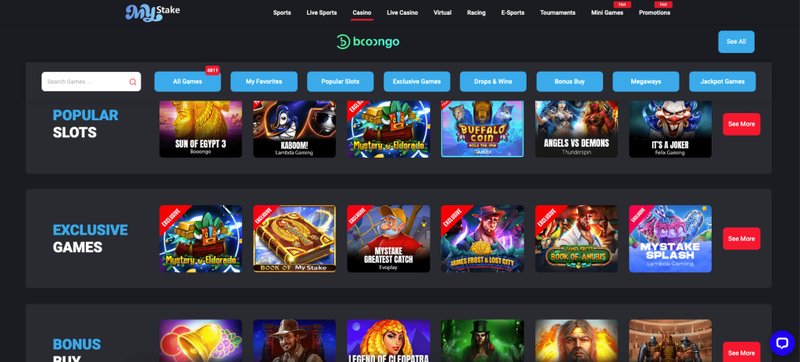
While planning your financial future, it can be tempting to skip over the fun side of life. For example, many people wonder how online gaming or entertainment fits into a disciplined savings plan. If you’re looking to combine the thrill of a quick win with responsible money management, sites like Mystake can offer a way to enjoy gaming while staying within budget. It’s a reminder that leisure and savings can coexist when you’re intentional about where your money goes.
Which Strategy to Pick?
If you’re just starting, automate a small percentage of each paycheck and set a clear goal. As your savings grow, shift toward higher‑yield vehicles and consider investing. Remember, the most powerful tool isn’t a fancy account; it’s the discipline to keep your money moving toward a concrete target. Stick to the plan, review it quarterly, and adjust only when your circumstances change. That consistency is what turns a handful of dollars into a lifetime of financial security.
Frequently Asked Questions
What is a good starting point for an emergency savings goal?
A common benchmark is three to six months’ worth of living expenses, which provides a buffer for unexpected costs.
How can I make saving feel more tangible?
Write down the exact amount on a visible spot like a kitchen whiteboard and mark it off each time you deposit money.